Strategies for Effective Wildfire Prevention and Community Resilience: Insights from Fire Management Experts
In a world where wildfires are becoming increasingly frequent and devastating, mastering fire safety protocols has never been more critical. Imagine standing in a community that has prepared for a wildfire just as they would for a storm, not if, but when it arrives. With insights from experts in wildfire prevention, we can learn how to act proactively. After all, as Benjamin Franklin once said, 'An ounce of prevention is worth a pound of cure.' It’s about turning awareness into action—something that fire management experts emphasize through their training and experience in crisis management and emergency preparedness.
The National Wildland Fire Coordination Group and various firefighting organizations have made remarkable strides in developing comprehensive fire management strategies. From creating robust wildfire education programs to implementing the incident command system, these groups help to ensure that communities are ready to respond to catastrophic events. But what do these strategies look like in practice? They often involve risk assessments that identify potential fire hazards and the resources needed for effective incident response, making community resilience a matter of planning.
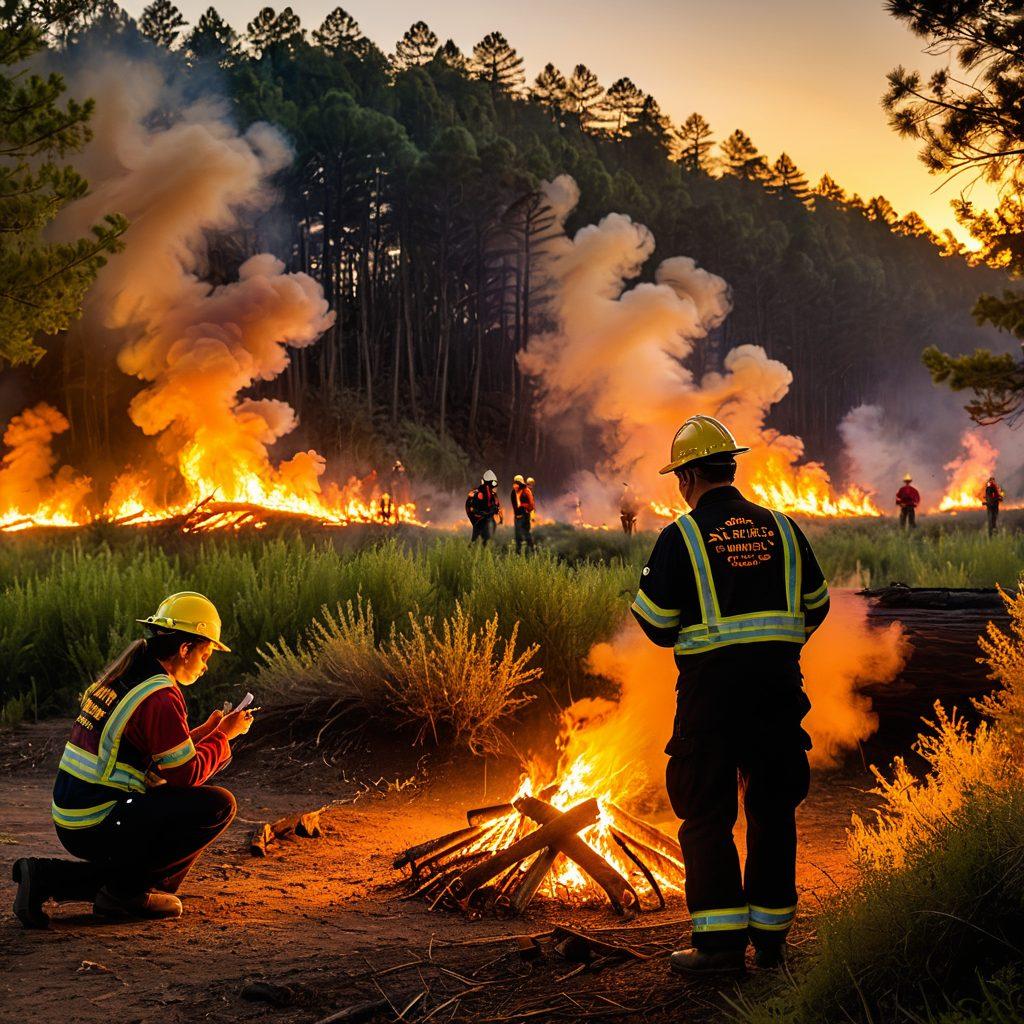
Picture this: A small town on the outskirts of a forested area. A team of local volunteers takes a fire management training course that teaches them wildfire suppression methods and firefighting techniques. They learn how to assess the local environment for fire hazards while becoming familiar with the resources available in case of a disaster. When a fire threatens their community, it isn’t just the firefighters who respond; the entire community is prepared to act. This is the essence of wildland fire preparedness, where everyone plays a role in ensuring safety.
It’s essential to remember that strategies aren’t merely bureaucratic measures; they evolve from lived experiences. Consider the firsthand accounts shared during community meetings when residents speak about the terrifying moments when flames came too close for comfort. These stories underscore the importance of firefighting teams and community groups working together. People are inspired to learn and get involved, resulting in a well-prepared citizenry that is informed about fire safety protocols and wildfire risk reduction techniques.
So, what can you do to become a champion of fire safety in your community? Start by getting involved in local wildfire education initiatives or emergency preparedness workshops. Collaborate with your local fire department to facilitate discussions about fire management training and develop broader community response resources. Remember, as you enhance your knowledge and skills, you will not only protect your home but also empower your neighbors. Ultimately, fostering community resilience in the face of wildfires is a collective effort—one that could very well save lives.
Building Community Resilience: Strategies for Effective Emergency Preparedness
In an age where fire seasons seem to grow longer and more intense, community resilience has become a focal point in our approach to crisis management. It's no longer enough to merely react to wildfires; we must actively engage in strategies for effective emergency preparedness. Have you ever considered how your community could be its own best defender against potential wildfires? As members of the national wildland fire coordination group highlight, preventing wildfires starts with preparation and education.
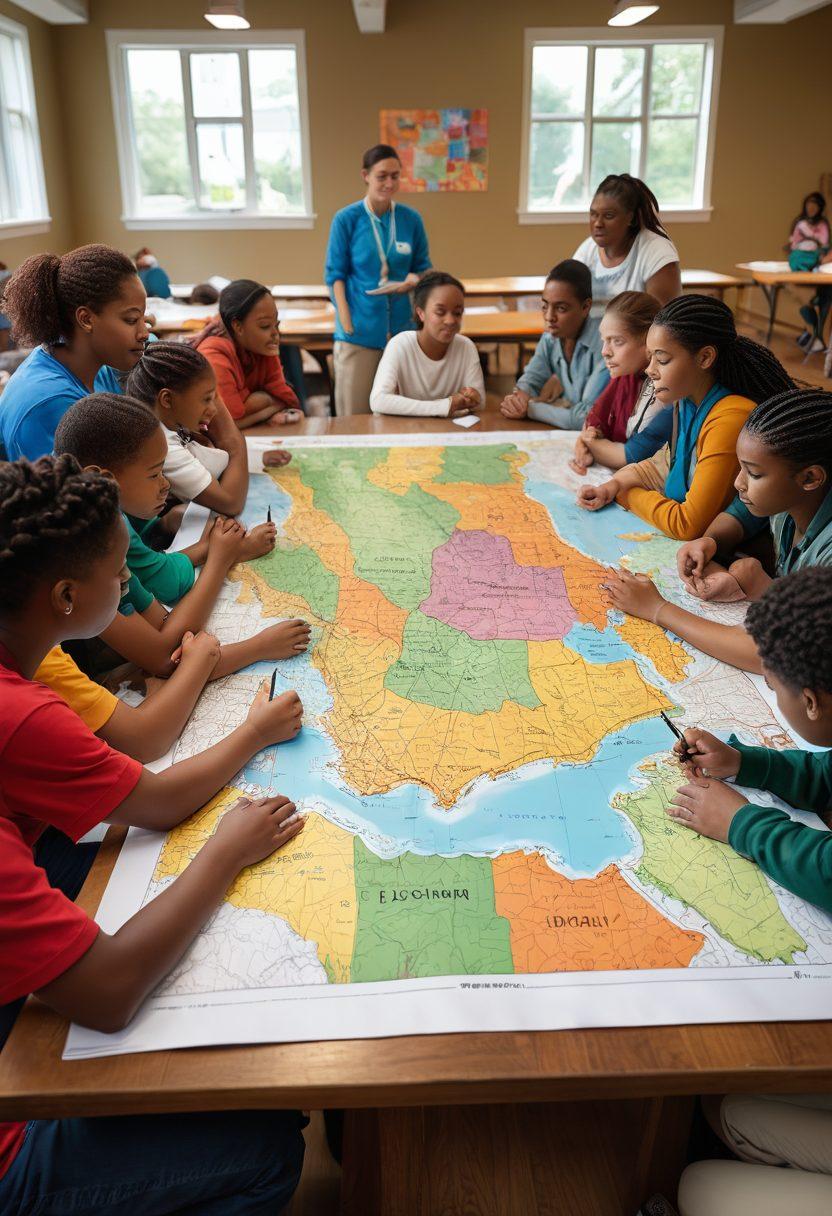
Imagine a community where neighbors don’t shy away from the talk of wildfires but instead gather to share insights. This is the essence of building community resilience. It begins with wildfire education, making sure everyone understands fire safety protocols while also learning about fire hazard assessment. By encouraging a culture of awareness and proactive planning, we can foster an environment where residents work together towards wildland fire preparedness and effective incident response.
A pivotal component of this collaborative effort involves implementing fire management strategies that actively engage the entire community. Consider hosting workshops that teach local residents about firefighting techniques, or consider community drills that simulate fire emergencies. These actions empower individuals while also strengthening the community’s incident command system. When people feel equipped to handle emergencies, the entire community becomes more resilient, optimizing response resources when disaster strikes.
Quotes can often inspire action. Think of the powerful words of former hotshot firefighter, “Fire doesn’t care about your plans; it cares about your preparations.” This rings true today as communities that engage in firefighter development and fire management training tend to respond better when wildfires threaten their homes. Do your local firefighters have the necessary tools and training? Joining hands with authorities can help build the capacity for effective response, transforming community members into allies in firefighting efforts.
Additionally, consider how individuals can support one another in creating comprehensive emergency preparedness plans. Resources such as local fire department programs or wildfire risk reduction initiatives can strengthen cooperative bonds among residents. How ready is your community to face a wildfire? By prioritizing communication and regular training exercises, you’re not only building resilience but also creating a legacy of preparedness that can withstand the fiercest of fires.
Innovative Fire Management Techniques: Enhancing Wildfire Response and Education
Wildfires have become more than just a seasonal occurrence; they are a looming crisis that can devastate communities in mere hours. In a world where unpredictable weather patterns are on the rise, understanding innovative fire management techniques is not just beneficial—it’s essential. The National Wildland Fire Coordination Group (NWCG) serves as a beacon of guidance and knowledge in this endeavor, focusing on effective wildfire prevention and enhancing community resilience. But what exactly does that look like? How can we harness these advancements to protect our neighborhoods from raging fires?
Let’s take a journey through some of the cutting-edge fire management strategies that not only bolster immediate incident response but also lay the groundwork for long-term wildfire education and safety. Imagine a community where every resident knows precisely what to do in the event of a wildfire—where emergency preparedness is embedded in the everyday consciousness, thanks to robust firefighting training and crucial fire safety protocols. This isn't a distant dream; it’s a tangible goal within our grasp when we delve into the application of fire science education and community-driven initiatives.
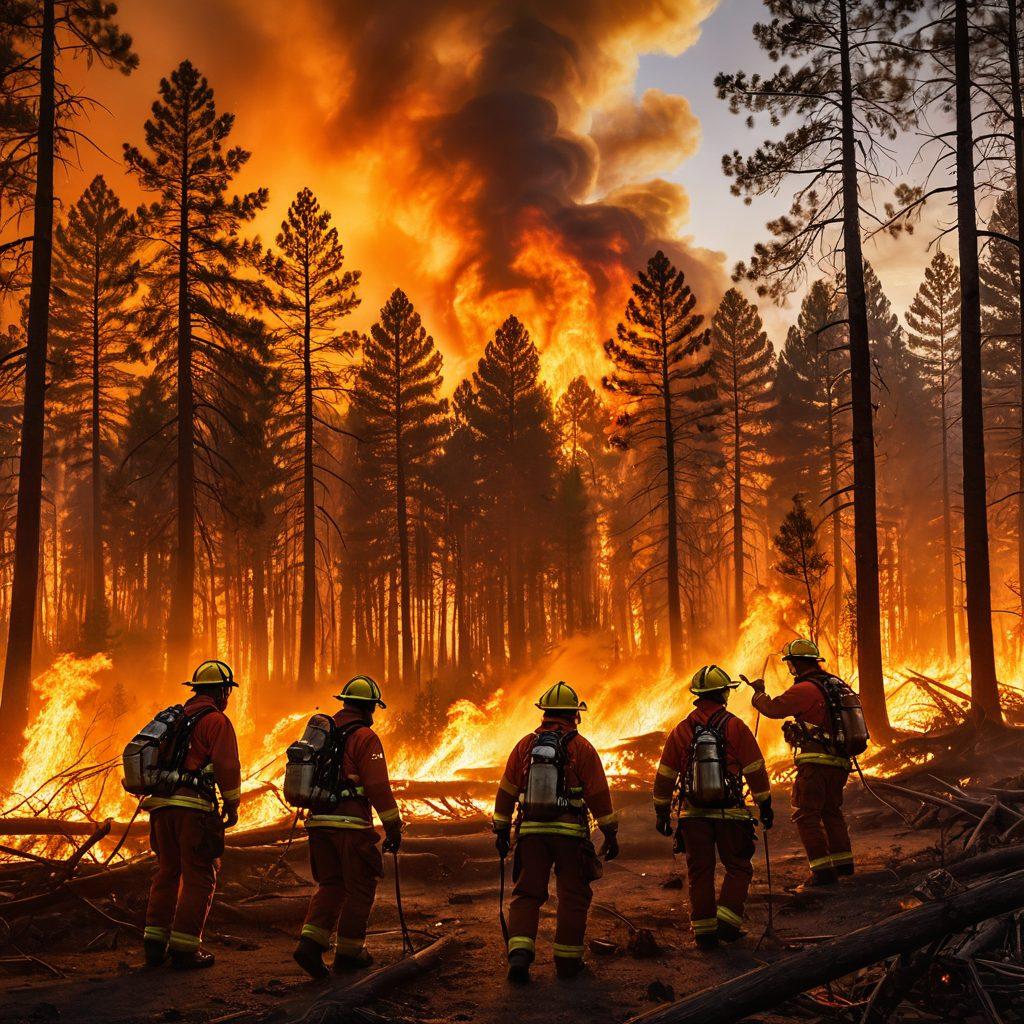
One of the key components of these innovative techniques is the incident command system, which facilitates organized disaster response. Picture this: a coordinated team of firefighters, first responders, and community volunteers, all well-versed in their roles and responsibilities. Effective communication and swift deployment of response resources mean that incidents can be managed more efficiently, reducing the likelihood of catastrophic outcomes. Therefore, why not invest time into firefighter development? Training programs that embrace wildland firefighting techniques not only prepare individuals but also engrain a sense of community resilience in the face of a crisis—turning citizens into empowered responders.
But it doesn’t stop there. A proactive approach towards fire hazard assessment is paramount. Assessing risks in various zones helps to institute wildfire risk reduction measures well before flames threaten the community. This proactive stance also includes conducting workshops and engaging in wildfire education to promote awareness. How do we teach our families and friends about the signs of danger and when to evacuate? How can we convert knowledge into action? By fostering a culture of preparedness, we ensure that when the smoke begins to fill the sky, everyone remains calm, confident, and ready to act.
As we explore these innovative fire management techniques, let’s remember that it begins with us. We have the power to change the narrative around wildfires—to move from reactive disaster response to proactive crisis management. By elevating fire management training, embracing wildland fire preparedness, and emphasizing community involvement, we not only safeguard our homes but also inspire a collective spirit to protect our planet. So, let’s ask ourselves: what can I do today to contribute to a safer tomorrow? Together, we can change the future of wildfire response and education, step by step, fire by fire.